

Noticing as a Creative Tool
126 • 6/15/2026

Noticing as a Creative Tool
I have previously written about noticing but have done a bit more research on the topic as I prepare to resume teaching.
I have also thought about it much more as I get into a regular schedule with my new zine, observations. The zine has enabled me to be more aware of my surroundings, physically, mentally and digitally. The first two you probably “get” right away. The last part of my awareness trilogy, digitally, of course refers to images I have on my hard drive. In that light I am using noticing (being aware of) to enhance the wide range of content I use in the zine.
The act of noticing involves perceiving, seeing, or paying attention to something that might otherwise go unnoticed. It can refer to simple awareness of sensory input, such as seeing a detail in your surroundings, or more complex cognitive recognition, like detecting patterns or discrepancies in information.
Many of us may be aware of things going on around us, in our neighborhood, while driving but noticing is more than passive awareness; it is an active engagement with your environment. It allows us to detect subtle changes, appreciate details, and respond appropriately to situations. For example, while working with a client a while ago we were reviewing some of his photographic images when I paused the slide show. I enlarged the image on the screen several times in an effort to eliminate what I thought was distracting. His reaction pleased me when he said, “You know, I didn’t see that.” What was a good image became a truly great image and set him on a path of creative evolution.
Not only can this be a worthwhile pursuit in any art process it can be of tremendous benefit in our regular lives as well.
We allow constant distractions from digital devices and information overload that can dull our ability to notice, making this skill increasingly valuable.
Practicing noticing can enhance mindfulness, creativity, and presence. Techniques include, but are not limited to:
Looking slowly: Focus on one object or scene for an extended period to perceive details you might otherwise miss
Mindful routines: Integrate noticing into daily activities, such as seeing the morning light, the flight of birds, sounds, or unusual movements.
Disconnection from distractions: Reducing screen time and digital interruptions helps sharpen attention to the immediate environment.
The act of noticing is both a cognitive and mindful practice that involves observing, perceiving, and awareness of details. It enhances awareness, supports better decision-making, and can be cultivated through deliberate attention and mindfulness exercises, helping us reconnect with the present moment and the richness of everyday life.
Are you in?
Please pass this along to others of like mind. We do need to spread the positivity around! Know that I will be working hard to make the starter better with each issue. It will come into your inbox at 8am, each Monday morning. Comments are always welcomed! Enjoy!
“For the artist, the dilemma seems obvious: risk rejection by exploring new worlds, or court acceptance by following well-explored paths.” Art and Fear
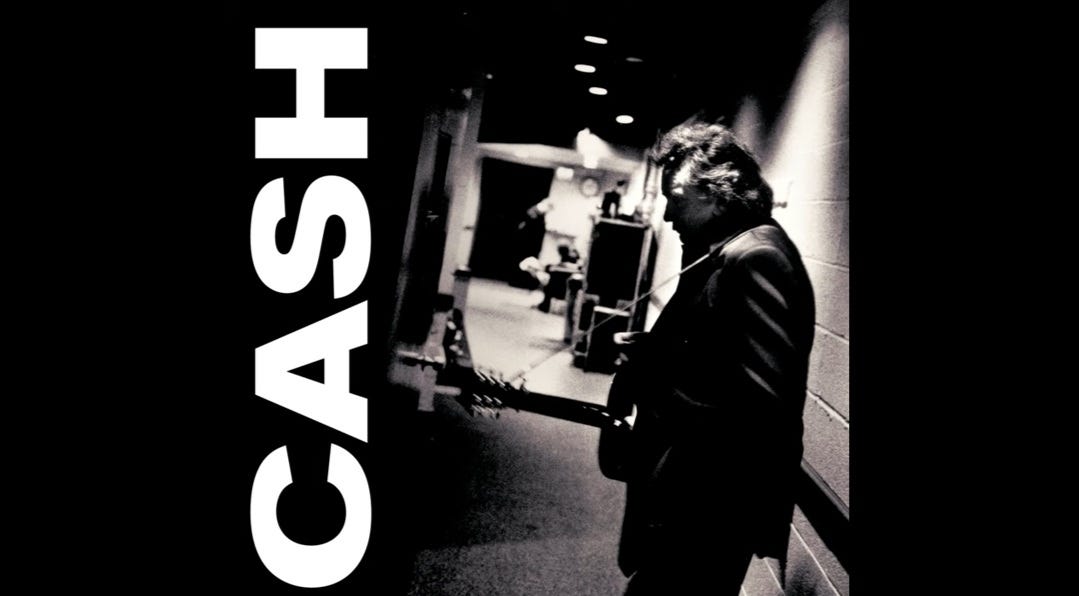
5 Lessons From Rick Rubin’s “The Creative Act: A Way of Being” | Jeff “H” Harrington: “Rick Rubin is one of the most successful music producers in history. He has produced albums for Run-D.M.C., LL Cool J, Public Enemy, Slayer, Red Hot Chili Peppers, Adele, Ed Sheeran, Lady Gaga, Johnny Cash, Tom Petty, System of a Down, Rage Against the Machine, the Chicks, and many more. Whew!” ©Jeffrey Harrington (ed. I know I featured a similar piece, previously, but I couldn’t help myself! When Johnny Cash Recorded “Hurt” by Nine Inch Nails, Trent Reznor said that that song was no longer his. Here is a link, you decide.)
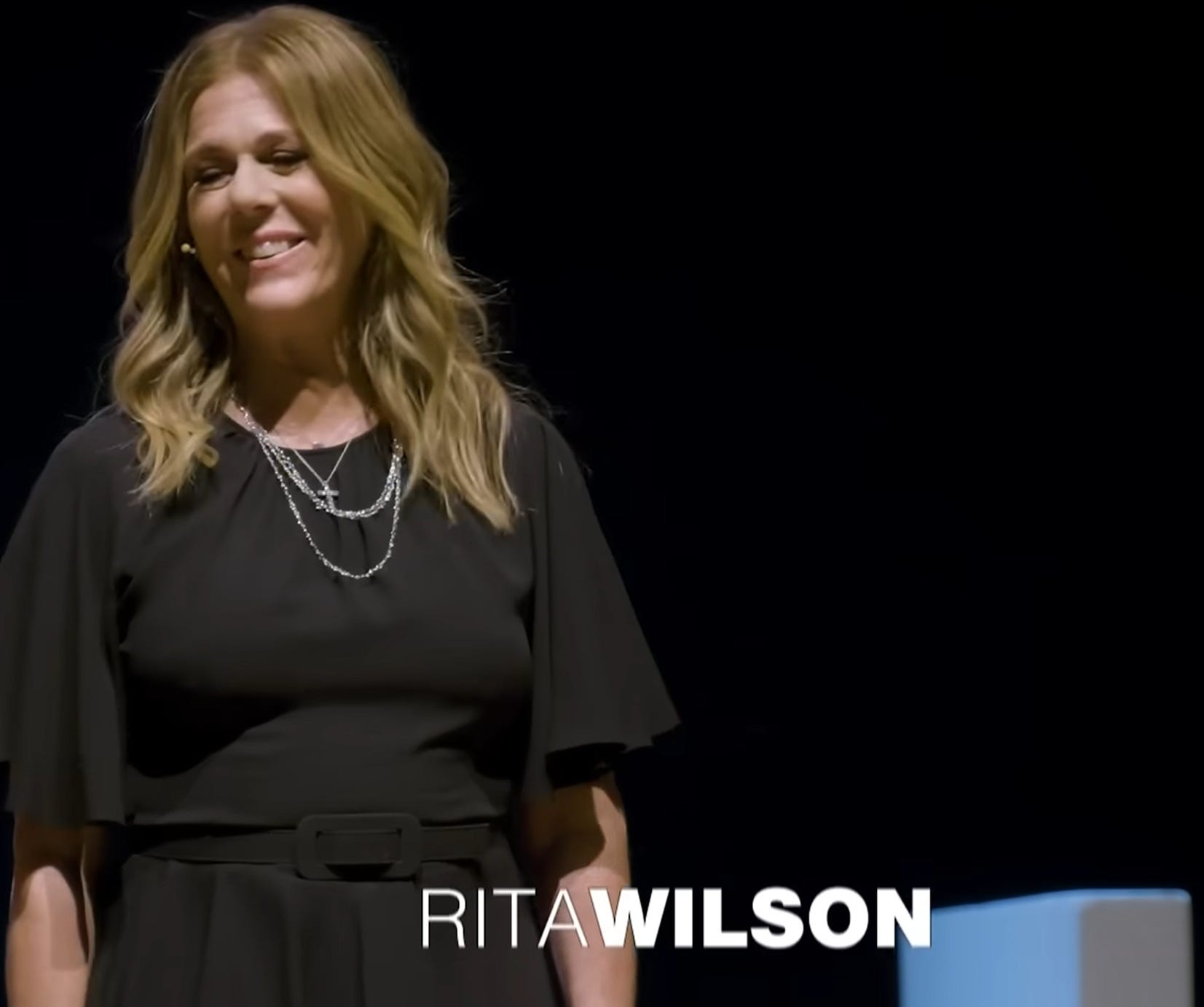
The Question I Almost Didn’t Ask And How It Changed My Life | Rita Wilson: “So many people never ask themselves what they want. Maybe it's because they think they have everything already, or because they're afraid it's too late. But if we don't ask ourselves what we want, there's no way we'll ever know if our dreams are possible, or what it would take to achieve them. Until recently, that was my story. I was living an amazing, beautiful life, and I didn't feel I deserved to even contemplate anything more. This talk is about why I decided to finally ask myself that question, and what happened when I did.” ©Rita Wilson/TEDx (ed. A bit on the longish side but every minute is worth your time and attention and might even enable you to ask THE question. It is also very relevant to our challenges today.)
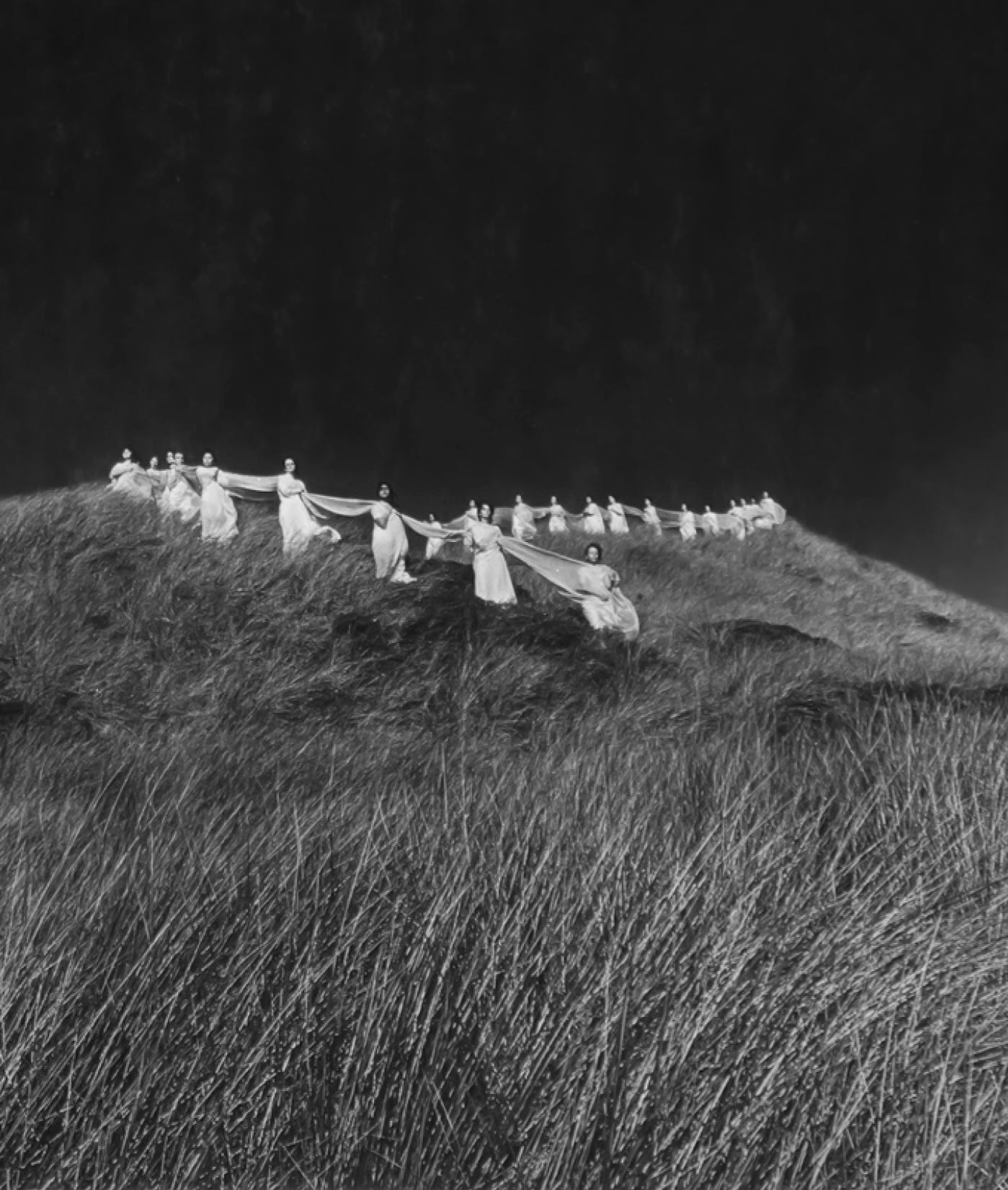
Shadow & Light Magazine Archives | Susan Friedman, Femmes de la Terre: “To look through Susan Friedman’s lens is to witness a lifelong love affair with myth and storytelling. In this collection, the “female gaze” is not a theoretical concept, but a living, breathing reality. Here are women in the sacred quiet of blooming pregnancy; women caught in flashes of untethered whimsy; women leaving their footprints across sweeping ocean dunes; and women standing in silent communion beside elephants. These are not merely photographs; they are deep-felt narratives woven by a master storyteller.”©Brigitte Carnochan/image: Susan Friedman (ed. The text is from the introduction to Friedman’s forthcoming book of the same title and this series was created from different portfolios on her site. )
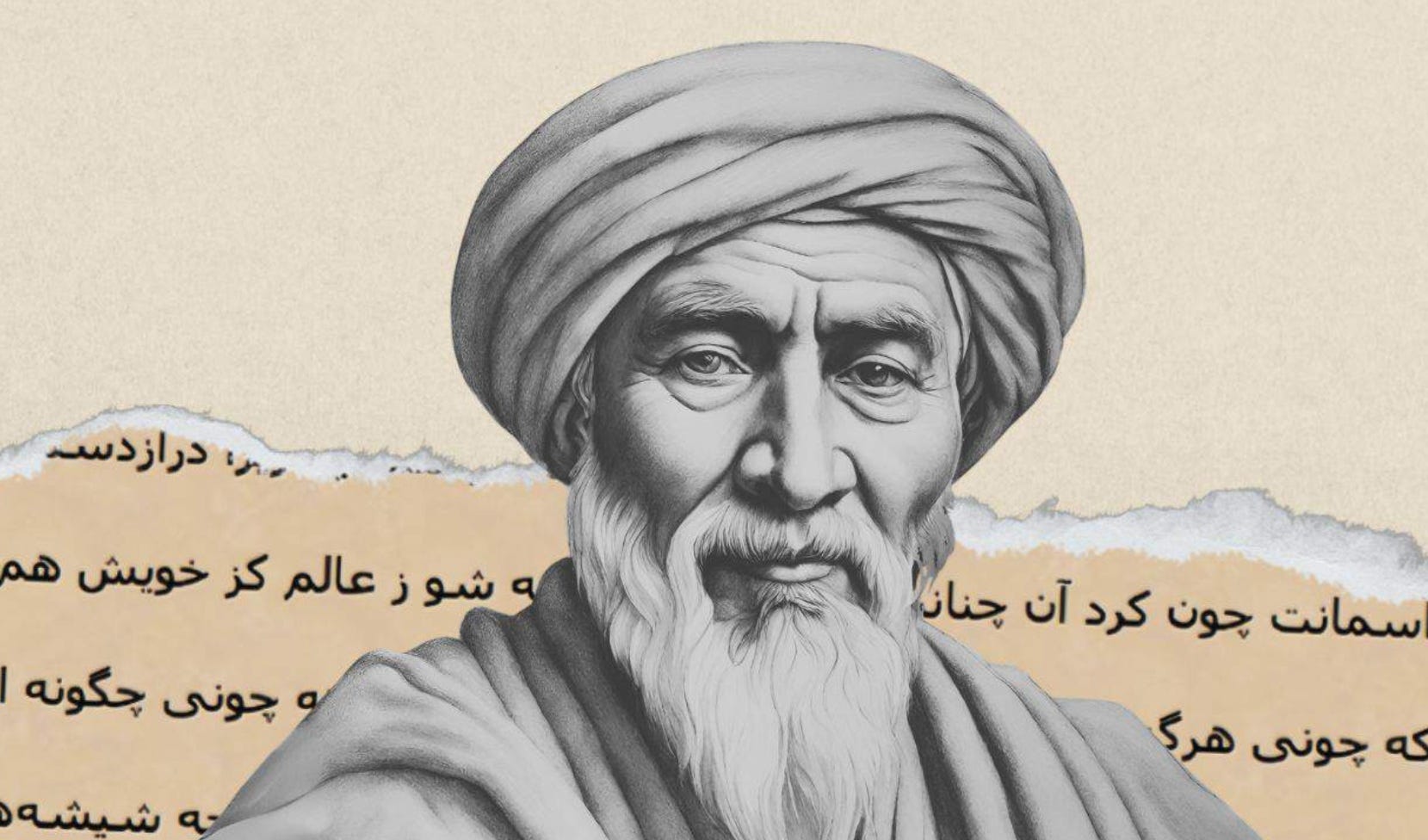
Poetics | Rumi: There is not much I can say about Rumi that hasn’t already been said. This poem, wonderfully translated by Coleman Barks, is one of my favorites.
The Guest House
This being human is a guest house.
Every morning a new arrival.
A joy, a depression, a meanness,
some momentary awareness comes
as an unexpected visitor.
Welcome and entertain them all!
Even if they’re a crowd of sorrows,
who violently sweep your house
empty of its furniture,
still, treat each guest honorably.
He may be clearing you out
for some new delight.
The dark thought, the shame, the malice,
meet them at the door laughing,
and invite them in.
Be grateful for whoever comes,
because each has been sent
as a guide from beyond.
©Rumi (translation by Coleman Barks)
When I first thought seriously about photography, speed was a major element of my process. But while photographing my first wedding, the learning curve was massive, and I realized how much I had to notice and then act on what I saw. It was a master class in "reading the room", and a very demanding one at that. The influence that had on the rest of my photography was quite profound. Like photographing many parts of nature, there is only one chance at shooting a particular image. Noticing is absolutely a creative tool, and the more practice you have noticing, the more potential for improvement. This was a great lesson and good reminder in your summer Starter, Tim. Thank you for that. The Rumi poem was a great accompaniment.